
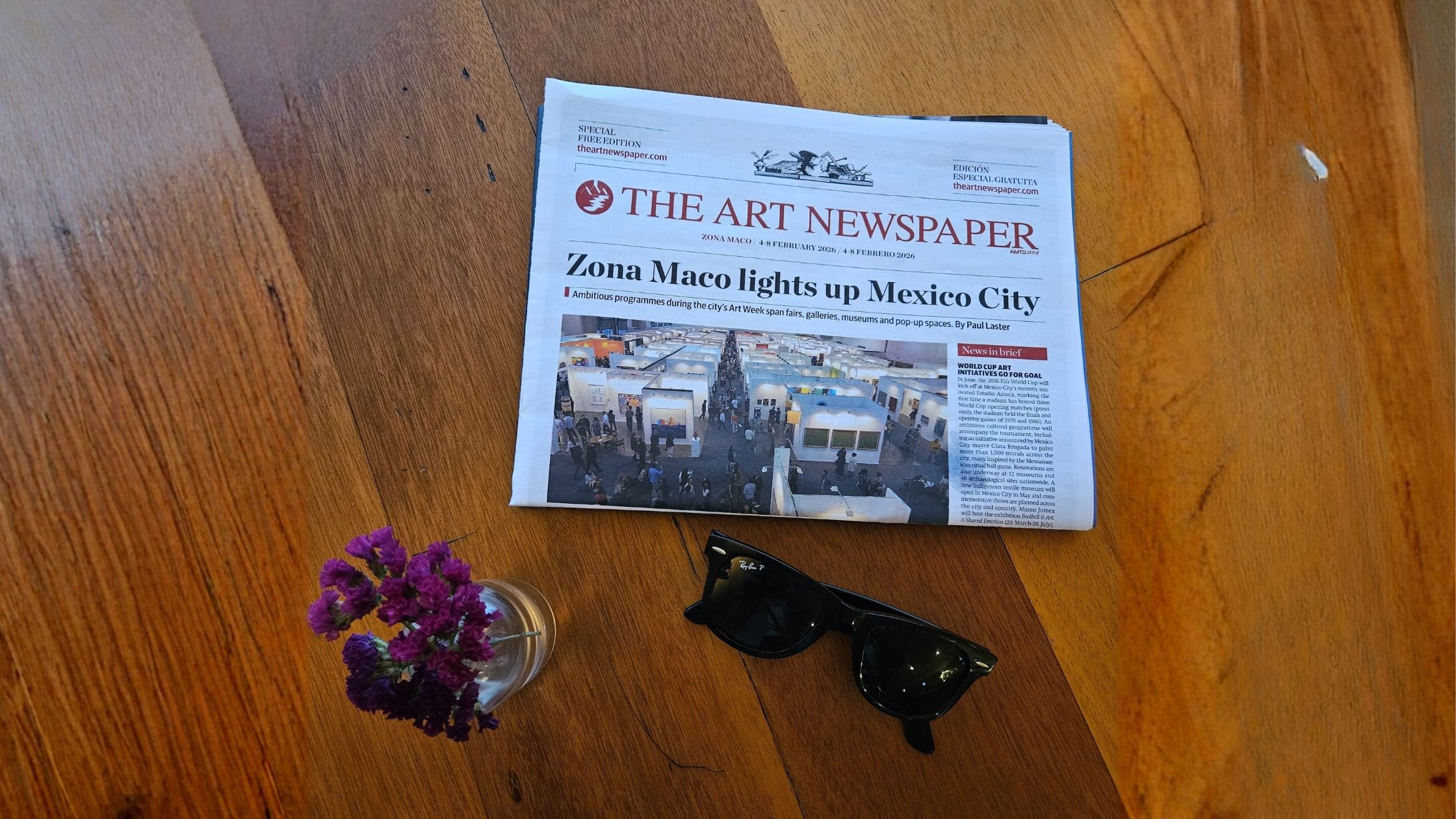
Semana del Arte 2026: What Happens When a City Makes Room for Art
Mexico City just wrapped Semana del Arte 2026, and the numbers tell one story: 378,000 visitors, an estimated economic impact of 3 billion pesos, more than 65 exhibitions, and over 100 parallel activities across five days. Art Week has solidified its place as one of the city's most powerful economic and cultural engines, rivaled in scale and impact only by global draws like Formula 1 and Day of the Dead.
But the numbers don't tell you what it felt like to walk through a city that had transformed! Not just galleries, but restaurants, hotels, transport, conversations. For five days, contemporary art wasn't something happening in isolated white cubes. It was woven into the rhythm of the city itself.
This isn't just an art event. It's a case study in what happens when culture becomes infrastructure.
Art as Economic Engine
Semana del Arte generates massive economic activity. Tourism surges. Hotels fill. Restaurants boom. Transport systems hum. International collectors, curators, and gallerists arrive from over 27 countries. The event activates the city's entire hospitality and service ecosystem.
Compare it to Formula 1: adrenaline, speed, spectacle, massive crowds. Both are economic drivers. But art does something Formula 1 doesn't: it stays in the city's identity long after the event ends.
Zona MACO, the anchor of Semana del Arte, has been running for 22 years. It didn't become what it is overnight. It took consistency, credibility, and time. What started as an effort to introduce contemporary art to Mexico City is now part of the urban fabric; it is expected, anticipated, and embedded in the city's calendar and consciousness.
The ROI of culture isn't just money. It's the city's global positioning. Its soft power. Its ability to hold space for complexity, attract talent, and generate ideas that ripple far beyond the event itself. Cities that invest in cultural infrastructure don't just attract wealth, they attract the kind of minds that build lasting value.
Art is Political (And Always Has Been)
Art doesn't exist in a vacuum. It reflects, responds, resists.
Walking through galleries during Semana del Arte, the political climate was impossible to ignore. Everywhere I looked, artists were engaging directly with the moment we're living through:
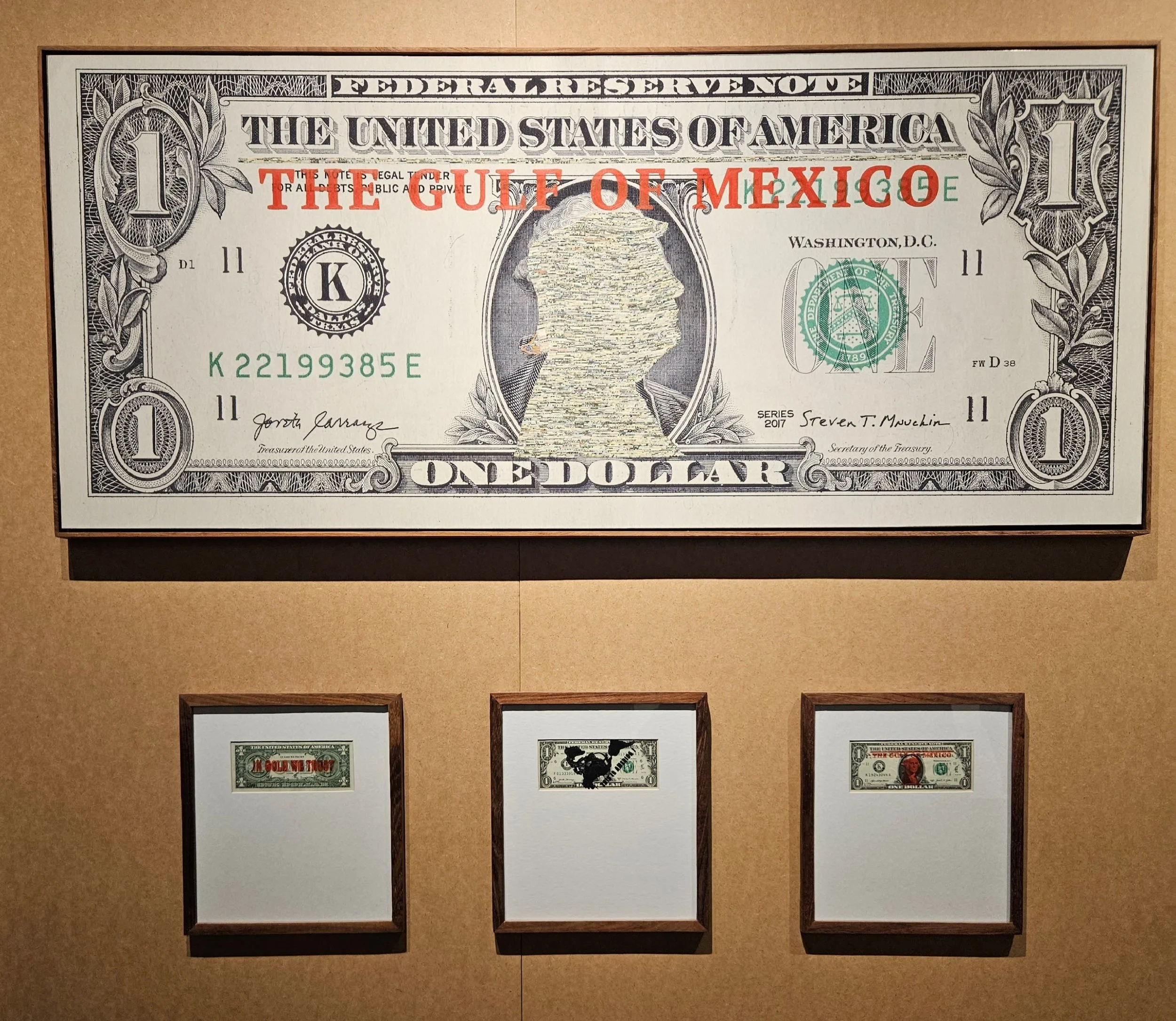
"Golfo de México" instead of "Gulf of America" - reclaiming language, rejecting colonial erasure, refusing to let history be rewritten by political whim.
"My body, my choice" written on women's bodies - a sharp reminder of bodily autonomy in a moment when rights are being rolled back across the continent.
Indigenous communities speaking through their work: "I am not from here, but neither are you" - a quiet, devastating truth. None of us are permanent. Borders are constructed. Belonging is conditional. And the land remembers longer than any of us will be here.
These aren't decorative statements. They're documentation. They're resistance. They're memory-keeping.
Historically, art has always been inseparable from its time. The difference now? The stakes feel higher. The messages are sharper. The urgency is clearer. When governments strip rights, censor voices, or erase histories, art becomes one of the few spaces where truth still gets told, openly, unapologetically, in ways that can't be legislated away.
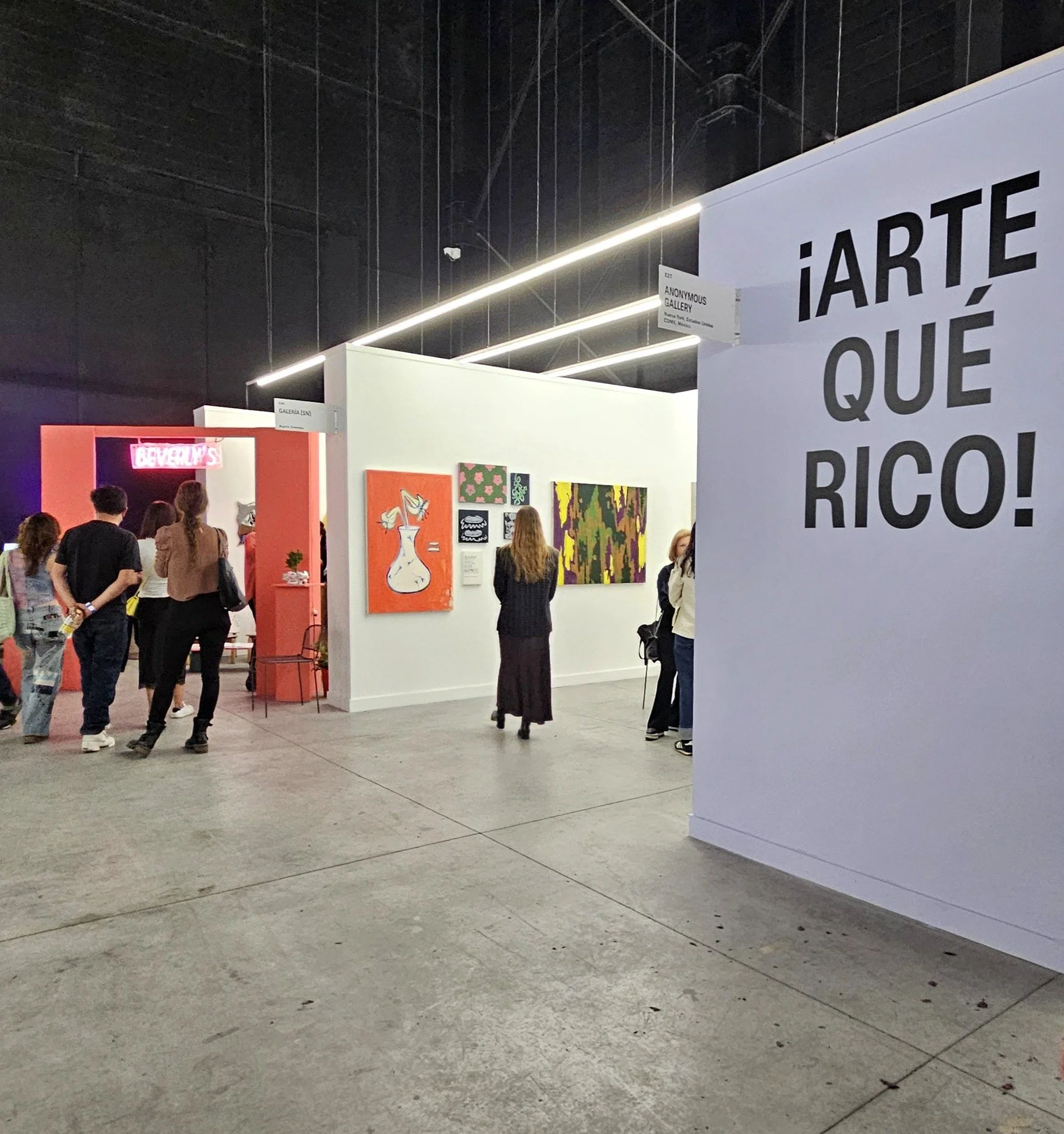
The Delight of Breathing the Same Air as Artists
Walking through galleries last week, it got me thinking of all the artists -especially young emerging ones - that pour into their craft, often not knowing how the audience is going to perceive their work and if it will actually sell. In a world obsessed with efficiency and scale, art reminds us that some things are valuable precisely because they're slow, difficult, or unquantifiable.
Semana del Arte works because it holds space for all of it: economy, politics, beauty, vulnerability.
It proves that culture is real economic infrastructure. It's what makes a city livable, interesting, resilient. It's what attracts the kind of people who build things that last. Mexico City spent five days proving it. The city boomed economically. Artists showed work that mattered. People - longtime collectors and first-time visitors alike - engaged with ideas they wouldn't encounter anywhere else.
That's what happens when a city makes room for art. It doesn't just grow. It evolves.